Jan 2, 2026
Elle Morgan

Be honest. How much of your team’s sales training actually sticks?
Most reps nail onboarding, memorize the new talk tracks, and then lose half of it once they’re back in the field. That’s time, budget, and effort that never makes it into real deal execution.
The problem usually is not the training content. It’s the delivery model.
Most sales training still lives “somewhere else.” A portal. A folder. A learning hub reps visit when they remember. But selling happens inside Salesforce, email, meeting notes, call tools, and deal rooms. If training is not present where reps work, it turns into trivia instead of behavior.
The best sales training tools in 2026 are built around one job: reinforce the right knowledge at the moment it matters. They blend bite-sized learning, practice, performance signals, and coaching to turn training into consistent execution.
In this guide, we’ve rounded up the best sales training tools in 2026, each built to help sales reps stay sharp, confident, and consistent where it matters most: during live selling.
Sales training software vs. sales coaching software: What’s the difference?
The main difference between sales training and sales coaching software is focus.
Sales training equips reps with the knowledge, processes, and core skills they need to sell successfully at your company. It’s typically standardized across roles and covers product knowledge, methodology, positioning, and process alignment.
Most teams rely on training during onboarding. Strong teams treat it as continuous, because products, plays, and markets change too fast for “one-and-done” learning.
Sales training software supports this by delivering structured learning experiences (role-play, interactive lessons, quizzes, certifications) tailored by role, segment, or even deal stage.
Sales coaching is personalized. It develops each rep based on their performance patterns, call behaviors, and activity data. It’s what managers do in 1:1s, increasingly supported by AI that can detect gaps and recommend targeted reinforcement.
Many modern platforms blend both. The real differentiator is whether the system can connect knowledge + context + action so reps do the right thing in the moment, not just learn it once.
How we chose the sales training tools on our list
We focused on tools that not only train reps, but also fit naturally into how sales teams work in 2026. Here are the three main criteria we used to choose the platforms featured in this list:
Ease of use: Sales reps are already juggling targets, CRMs, and customer conversations. Training platforms need to feel effortless, not like another chore. We prioritized tools that are intuitive, quick to adopt, and simple to navigate.
Integration with existing tools: We prioritized platforms that connect cleanly with the systems reps live in, such as Salesforce, HubSpot, Gmail, Outlook, Outreach, Slack, and conversation intelligence tools. Because the fastest path to adoption is delivering guidance in the flow of work.
Measurable impact on sales performance: We chose tools that prove value through data. Each platform includes analytics or reporting that ties training activity to outcomes like ramp time, win rates, pipeline quality, and consistency of execution.
Our best sales training tools for every sales enablement need
Here’s a quick look at the 10 sales training tools we’ll cover in this article:
Tool | Best for | Standout feature |
|---|---|---|
Spekit | B2B revenue teams that want training and coaching that drives consistent execution in the flow of work. | AI Sidekick + embedded orchestration: Delivers contextual answers, guidance, and next-best actions inside the tools reps already use. |
Gong | Mid-to-large B2B teams that want to analyze calls and scale winning behaviors. | Conversation intelligence and coaching insights from real interactions. |
Hyperbound | Teams that want realistic, AI-driven role-play practice at scale. | AI role-play simulator with scoring and feedback. |
Seismic Learning | Large enablement teams that need structured courses and certifications. | Lesson builder and role-based learning paths. |
Highspot | Enterprise orgs that want a suite combining content and training. | Adaptive learning paths tied to performance signals. |
Lavender AI | Teams focused on improving outbound email quality and reply rates. | Real-time email scoring and coaching. |
Ambition | Sales orgs using gamification and coaching routines to reinforce behaviors. | KPI scorecards, coaching workflows, contests. |
WorkRamp | Growing teams that want structured onboarding and continuous learning programs. | AI course builder and scalable training management. |
Trainual | SMBs that need to document processes and standardize onboarding. | SOP-driven training modules and knowledge base. |
Dialpad | High-velocity teams that want real-time call guidance and automated QA. | Real-time assist cards and live transcription. |
Spekit – An agentic enablement platform that turns training into real-time execution in the flow of work
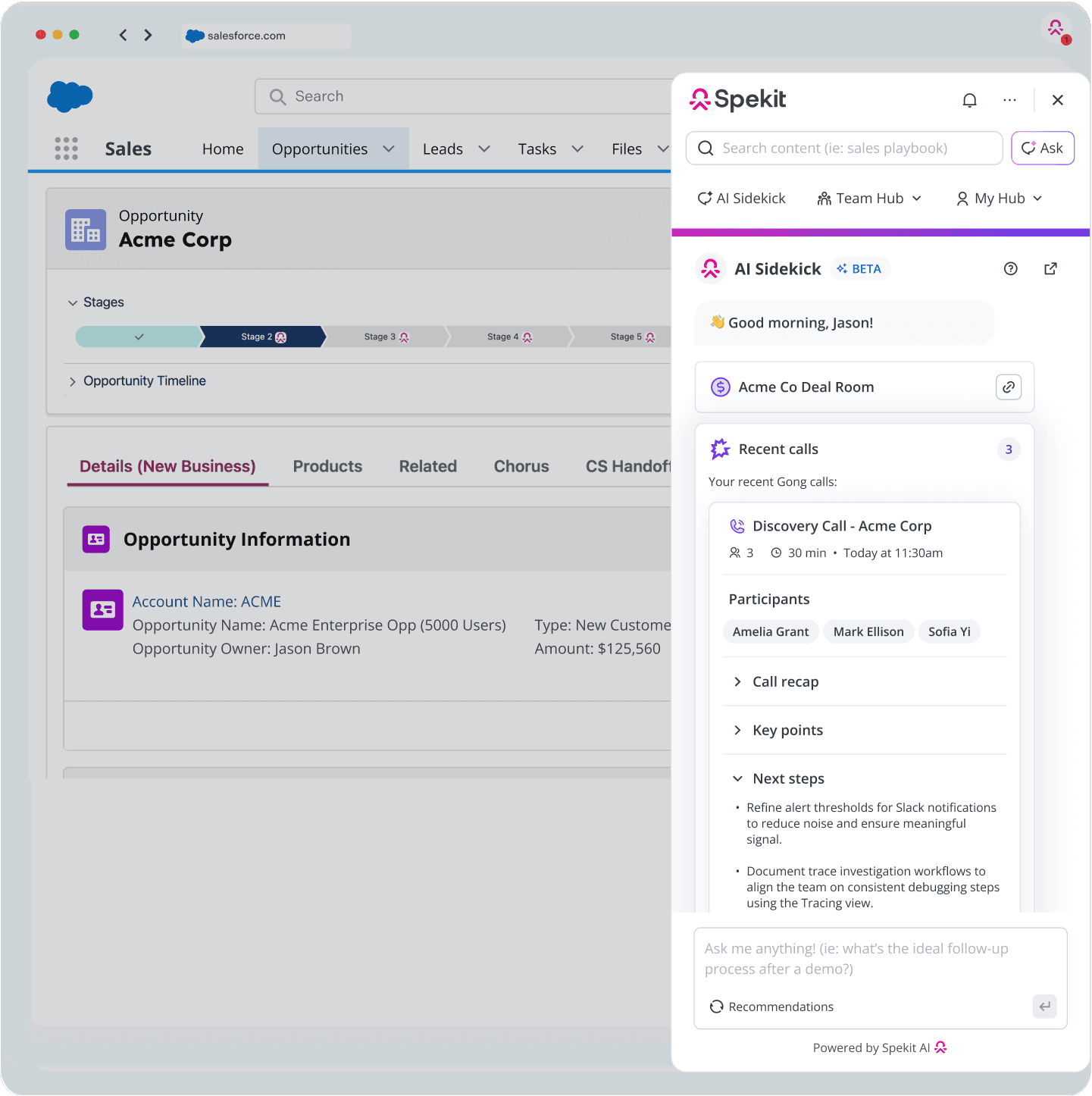
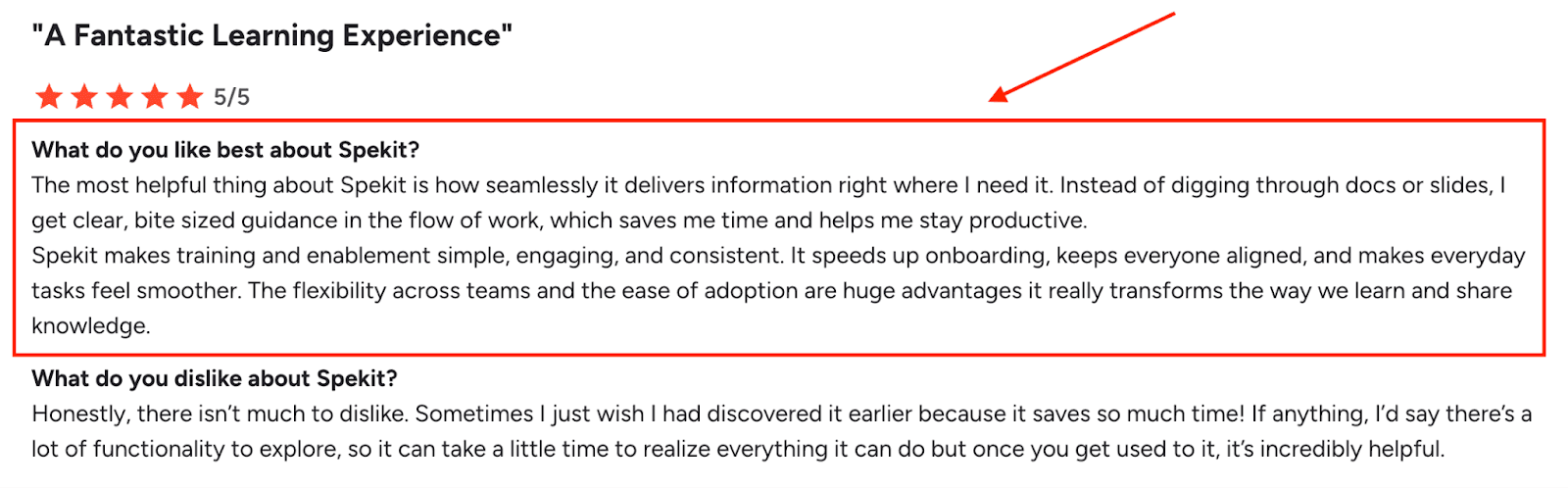
Spekit is an agentic enablement platform that transforms seller execution through real-time coaching, instant answers, and intelligent actions that multiply rep capacity.
Traditional sales training tools focus on content consumption. Spekit focuses on in-the-moment execution.
Spekit centralizes the knowledge reps rely on, then delivers it contextually inside the systems they use every day, like Salesforce, Gmail, and other revenue tools. Instead of asking reps to search for the right asset or remember what they learned weeks ago, Spekit’s AI Sidekick surfaces the right guidance when the rep is actively working a deal.
That’s the shift: learning is no longer a separate activity. It becomes part of the workflow, tied directly to execution.
Key features of Spekit
AI Sidekick: Spekit’s AI Sidekick uses the context of whatever a rep is doing and your governed knowledge base to surface the most relevant guidance, content, or next step. The result is faster decisions and more consistent messaging, because reps are supported while they work.
Curated Content and Knowledge System: Spekit centralizes playbooks, product docs, battle cards, FAQs, process guides, and onboarding resources into a governed system. Enablement and sales leaders can create, organize, and update content once, then distribute it everywhere it shows up in the workflow. This prevents version drift, duplicate assets, and “I found an old deck” moments.
Speks: Speks are modular knowledge cards built for speed. Each Spek breaks down one concept, one process step, one objection response, or one product detail into a format reps can use immediately. Speks can be surfaced by the AI Sidekick or embedded near relevant CRM fields so help is always available at decision time.
Playlists (structured learning paths with reinforcement): Enablement teams can group Speks, videos, and resources into Playlists for onboarding, certifications, product launches, and methodology rollouts. Progress tracking gives visibility into completion, while reinforcement can be targeted based on real gaps.
Spotlights (agile, adaptive change management): When messaging, process, or product updates happen, Spotlights push critical updates to reps and confirm adoption. This is how teams keep execution aligned while the business changes.
Deal Rooms: Deal Rooms let reps share buyer-facing content in a branded experience and track engagement. It keeps what the buyer sees consistent, and helps reps follow up with better timing and relevance.
Governance Dashboard: Spekit flags outdated assets, duplicates, and gaps so enablement teams can keep the system clean, current, and trusted at scale.
Revenue Insights: Spekit ties enablement activity to outcomes. Leaders can see which content and guidance correlates with stronger execution, faster cycles, and better performance.
How Spekit helps train sales reps
Spekit improves training retention by moving training from “something reps do” to “something reps use.”
When a rep hits an unfamiliar scenario mid-deal, Spekit provides the answer, the talk track, the process step, or the next-best action immediately. That’s how knowledge becomes behavior.
Spekit also supports change at scale. Updates happen once, then propagate everywhere the guidance is used. Reps stay aligned without hunting for the newest version, and leaders can measure adoption.
Best for: B2B revenue teams that want consistent execution, faster ramp, and real-time coaching in the flow of work.
See why revenue leaders choose Spekit today.
Customer review
Gong – Conversation intelligence platform that turns sales calls into coaching insights
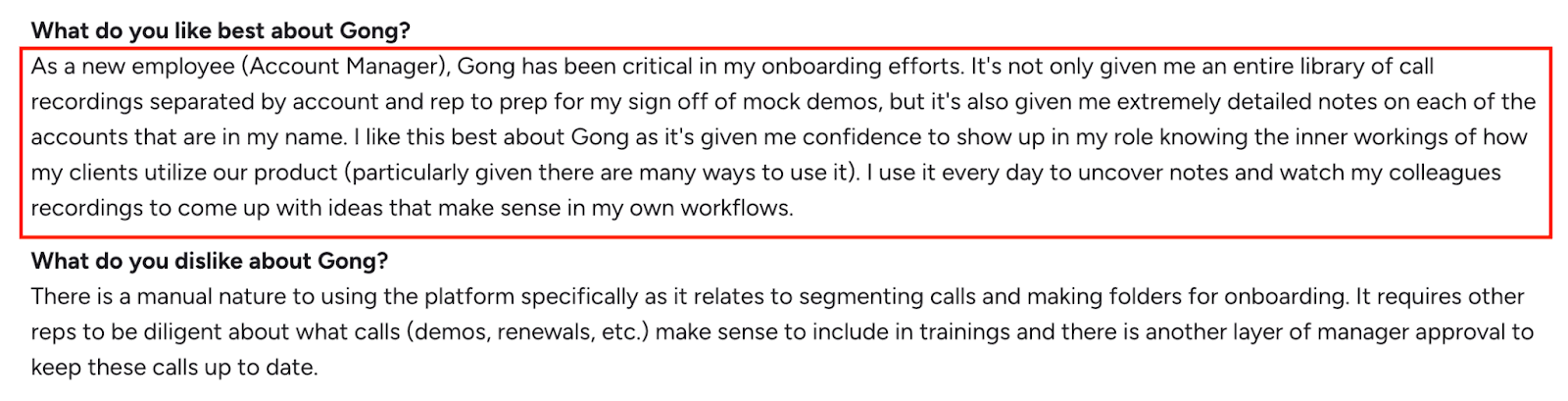
Gong records and analyzes customer interactions to surface coaching opportunities and deal risks. It helps teams understand what top performers do differently and identify patterns across calls, emails, and meetings that correlate with outcomes.
Key features of Gong
Call recording and transcription
AI-powered conversation analysis
Coachability metrics and scorecards
Curated call libraries (“Playlists”)
Moment-specific feedback
Trend identification across deals and teams
How Gong helps train sales reps
Gong is strongest when teams want coaching grounded in real conversations. New reps learn faster by listening to curated examples, and managers get specific moments to coach against.
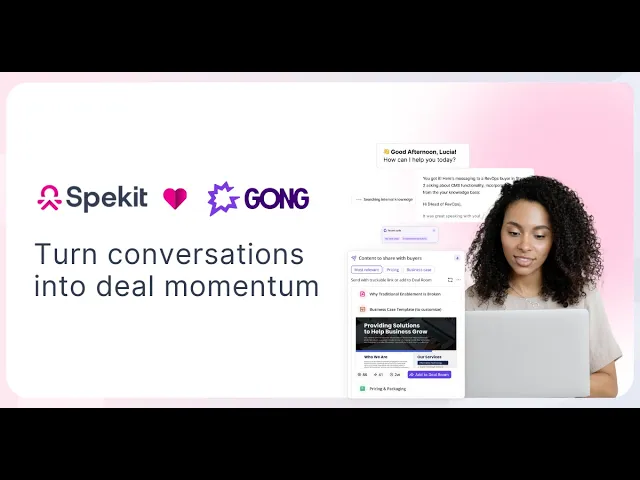
See how you can combine Spekit and Gong to accelerate rep capacity.
Best for: Mid-to-large B2B sales organizations scaling best practices through conversation intelligence.
Customer review:
Hyperbound – Interactive AI roleplay software for practicing real-world sales scenarios
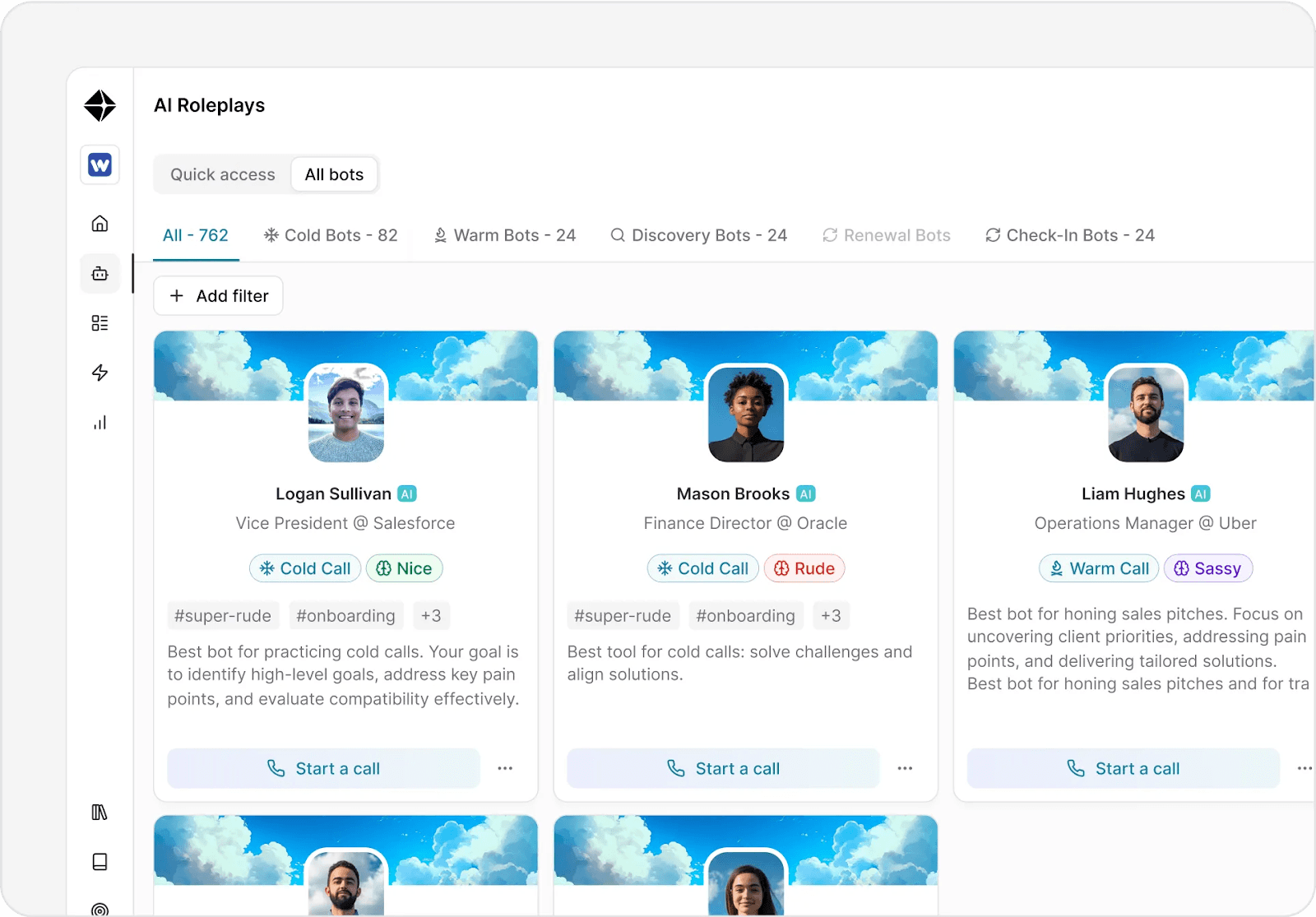
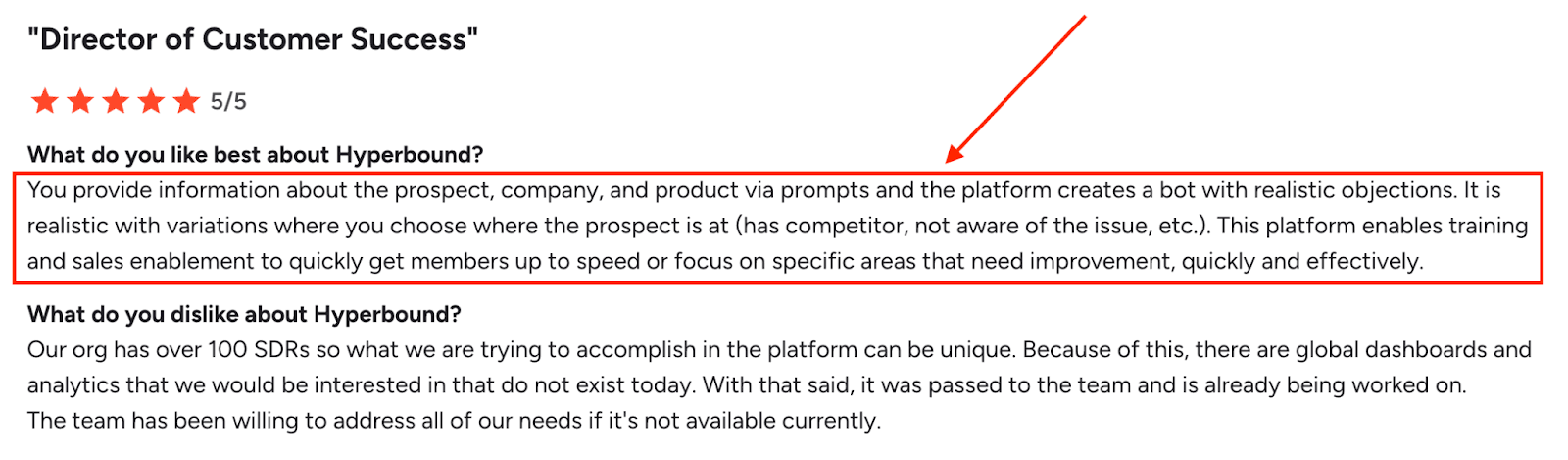
Hyperbound provides AI-based role-play so reps can practice discovery, objection handling, and negotiation without needing live partners or manager time.
Key features of Hyperbound
AI sales role-play with buyer personas
Custom scenarios and talk tracks
Instant feedback and scoring
Skill repetition tracking
Multilingual support
Call review and analytics (where supported)
How Hyperbound helps train sales reps
Hyperbound works well for skills that require repetition and confidence. It forces reps to apply talk tracks in dynamic conversations and provides immediate feedback to tighten execution.
Best for: Organizations that want scalable practice for high-stakes conversations.
Customer review:
Seismic Learning – An enterprise learning system built to train and upskill large sales teams
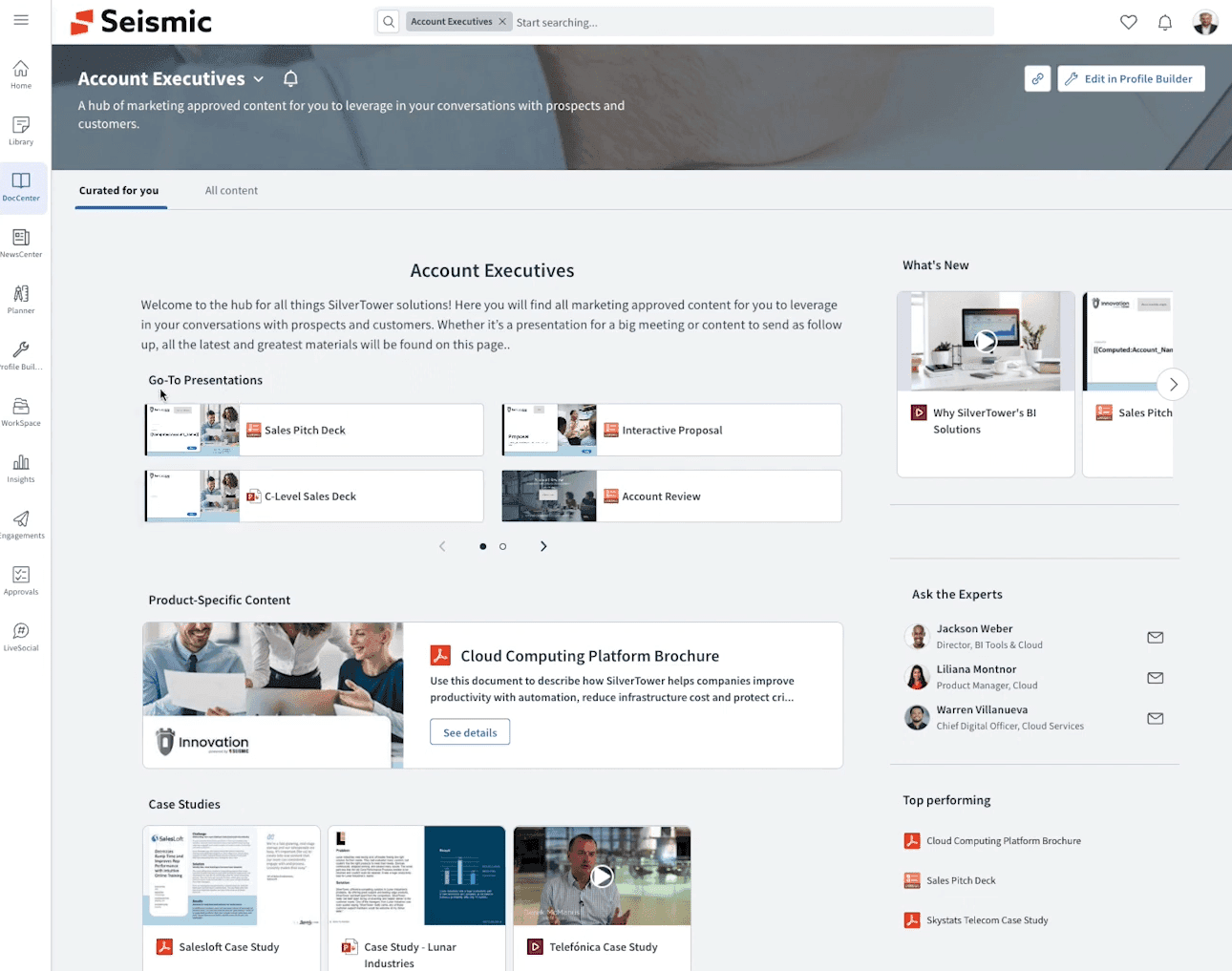
Seismic Learning supports structured training programs, certifications, and role-based learning paths for large orgs.
Key features of Seismic Learning
Lesson builder and learning paths
Practice and video assessments
Skill proficiency mapping
Mobile learning
Performance analytics
How Seismic Learning helps train sales reps
It’s best for teams that need formal onboarding, ongoing courses, and certification workflows across large or distributed teams.
Best for: Mid-to-large enablement teams running structured programs at scale.
Highspot – Sales enablement suite for training, coaching, and content management
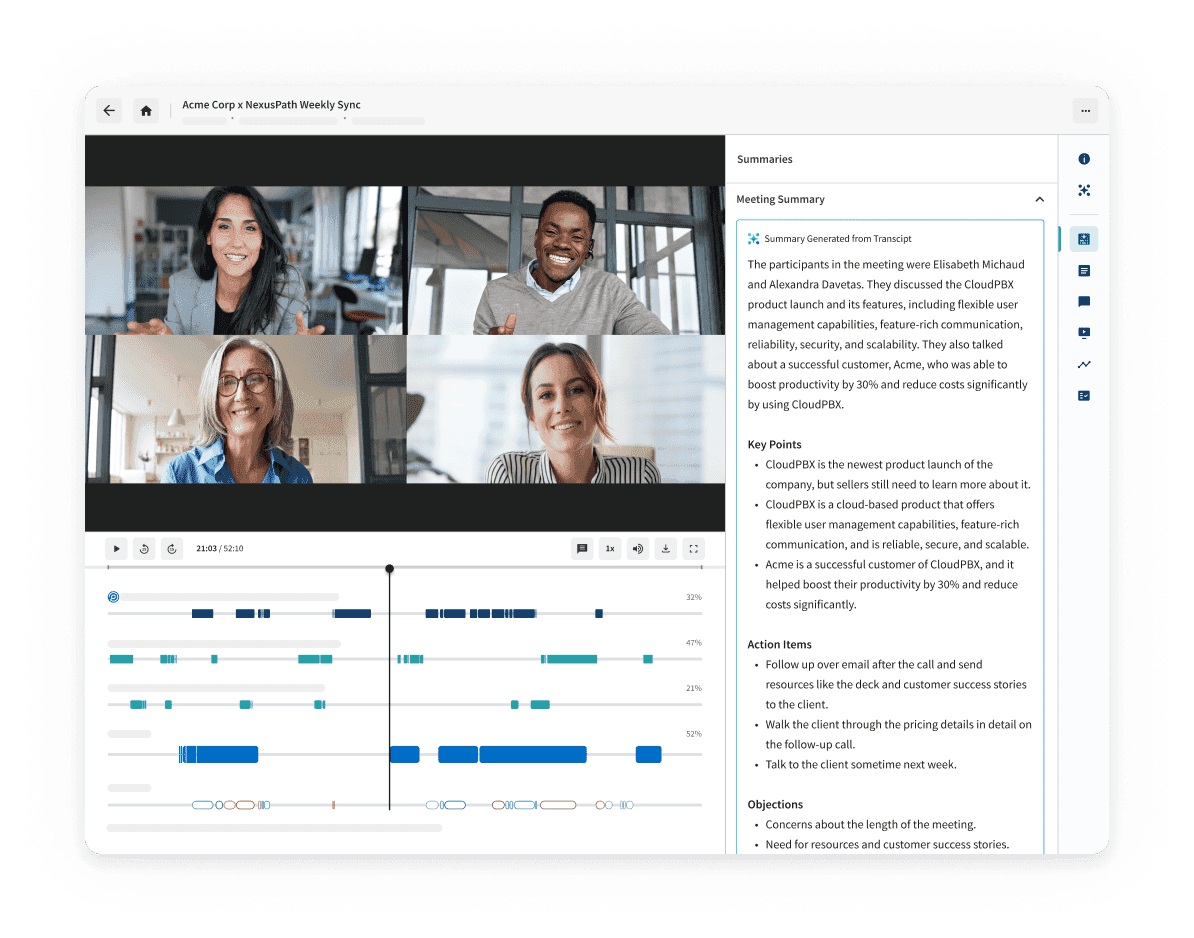
Highspot combines content organization with training and coaching experiences, often used by enterprise teams standardizing content and learning at scale.
Key features of Highspot
Adaptive learning paths
AI-assisted role play (where enabled)
Content unification
CRM and workflow integrations
Training impact measurement
How Highspot helps train sales reps
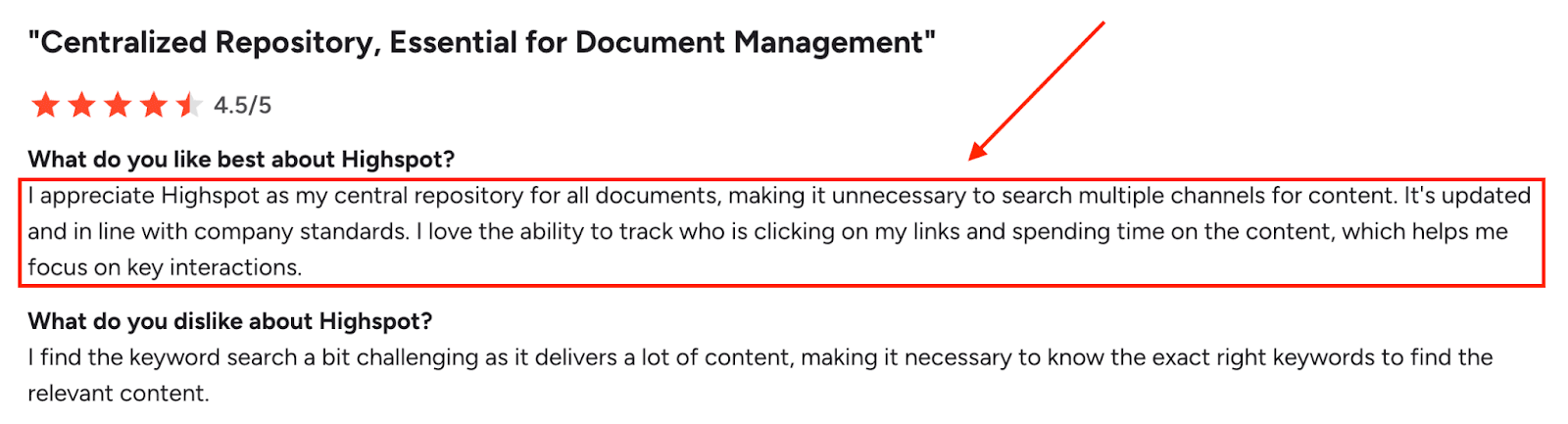
Highspot supports everyday reinforcement by pairing content with training and making it easier for reps to access what they need. It’s commonly used in environments where enablement needs broad coverage across teams.
Best for: Enterprise orgs that want a consolidated enablement suite.
Customer review:
Lavender – AI email coach that helps reps write smarter, more effective outreach
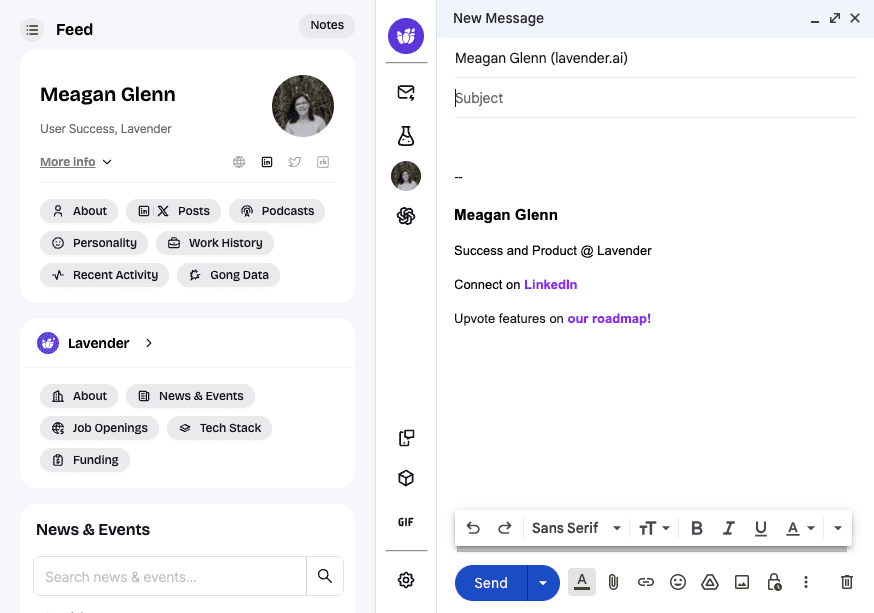
Lavender supports outbound teams by coaching reps while they write, improving clarity and personalization.
Key features of Lavender
Real-time email scoring and coaching
Personalization assistant
Draft generation for first passes
Team analytics
How Lavender helps train sales reps
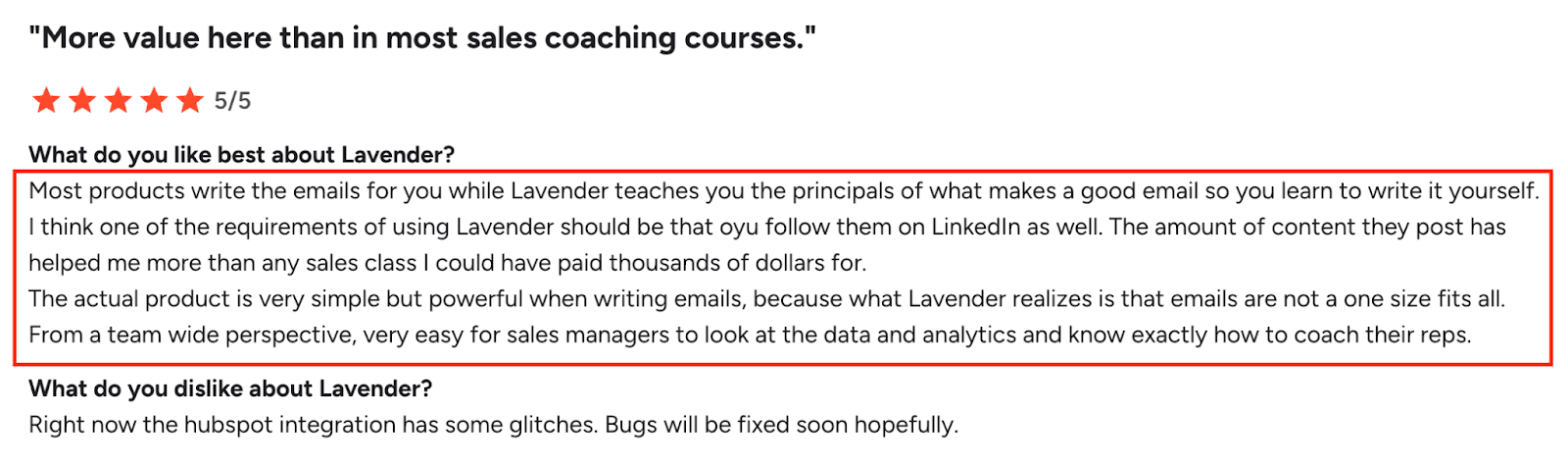
It turns email best practices into real-time coaching, so reps improve habits while doing the work.
Best for: SDR and BDR teams focused on outbound email performance.
Customer review:
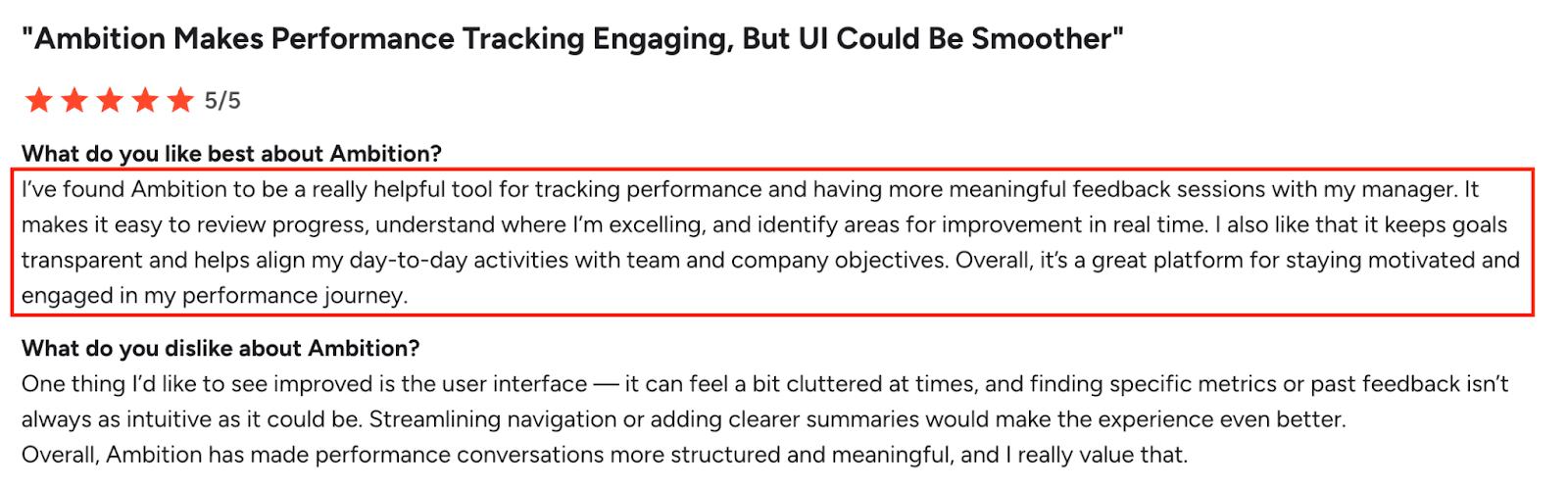
Ambition – Sales performance platform that gamifies sales training
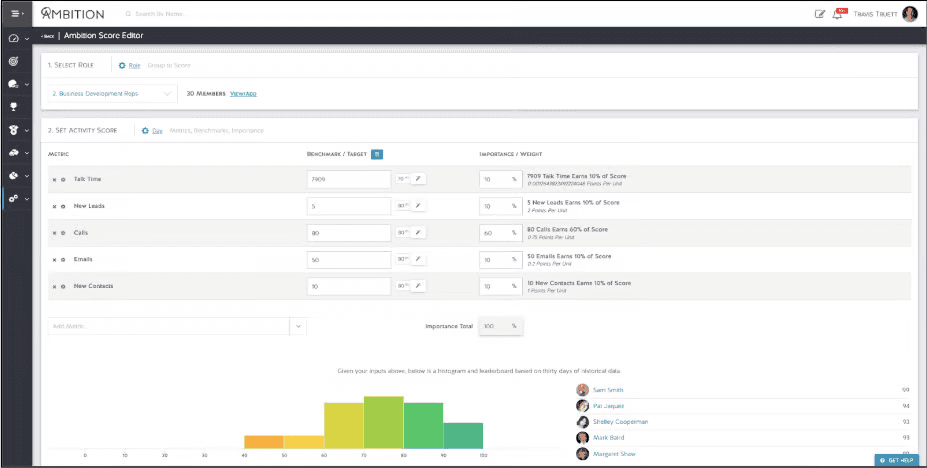
Ambition is designed to reinforce behaviors through scorecards, contests, and coaching workflows.
Key features of Ambition
Real-time performance scorecards
Gamification and leaderboards
Coaching orchestration
Alerts and recognition
Performance intelligence
How Ambition helps train sales reps
Ambition is strongest when teams want reinforcement through routines and accountability, especially when leaders already have clear KPI definitions and coaching cadence.
Best for: Mid-sized and enterprise teams using gamification to reinforce behaviors.
Customer review:
WorkRamp – Unified learning platform for onboarding, certifications, and continuous training
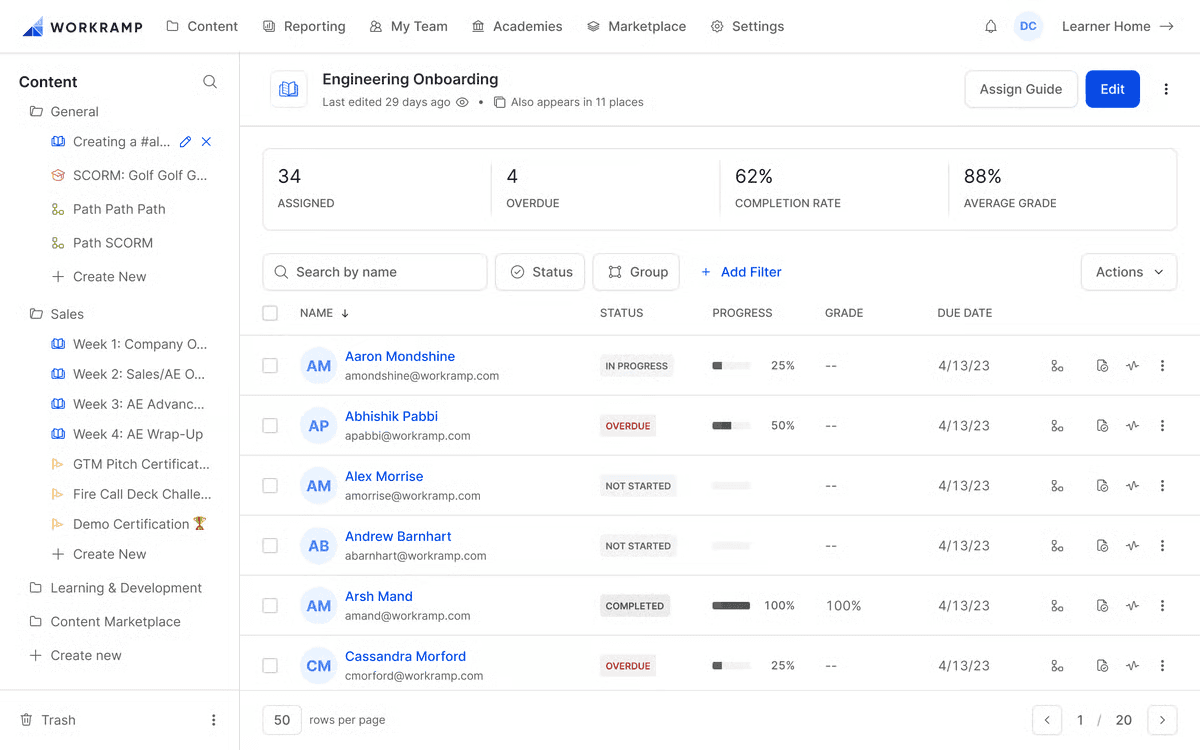
WorkRamp is an LMS-style platform for structured learning programs, often used for onboarding, partners, and customer education in addition to sales.
Key features of WorkRamp
AI-powered course creation
Personalized learning paths
Centralized training hub
Assessments and certifications
Analytics and reporting
How WorkRamp helps train sales reps
WorkRamp supports teams that want course-based learning and structured programs that can be repeated and managed over time.
Best for: Growing B2B orgs needing scalable onboarding and structured learning.
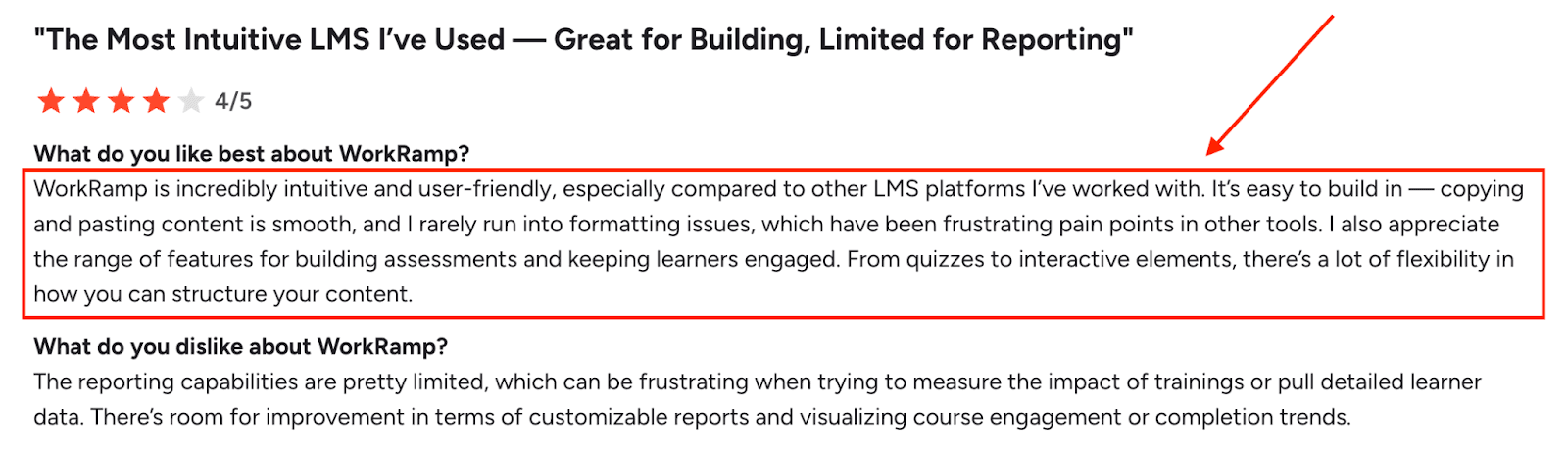
Customer review:
Trainual – Playbook and process documentation tool to standardize team training
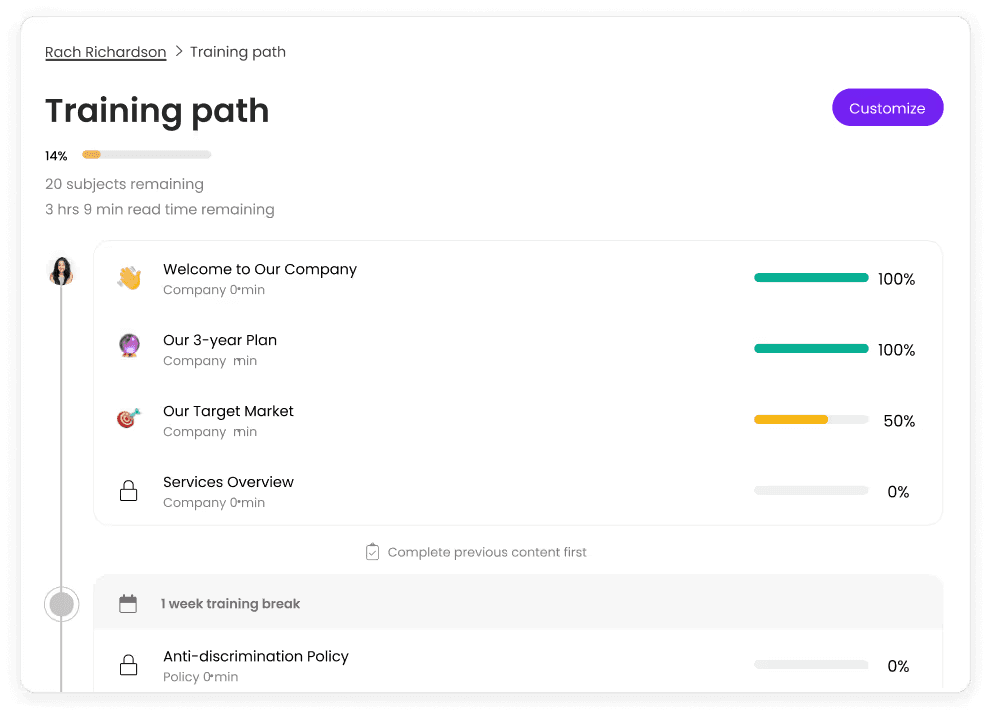
Trainual helps document SOPs and turn them into trackable modules for onboarding and process consistency.
Key features of Trainual
Centralized company wiki
Content organization and authoring
Role-based assignments
Assessments and quizzes
Progress tracking
Mobile accessibility
How Trainual helps train sales reps
Trainual is best for teams that need documentation discipline and consistent onboarding, especially when process consistency is the main problem.
Best for: SMBs documenting sales processes and standardizing onboarding.
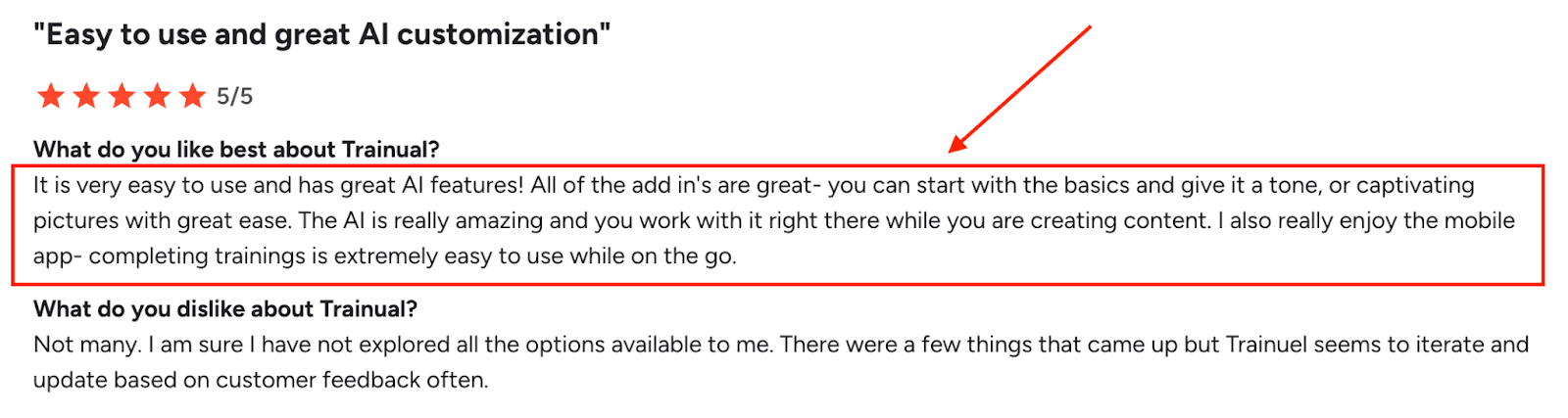
Customer review:
Dialpad – AI-driven communication platform for call analysis and real-time sales training
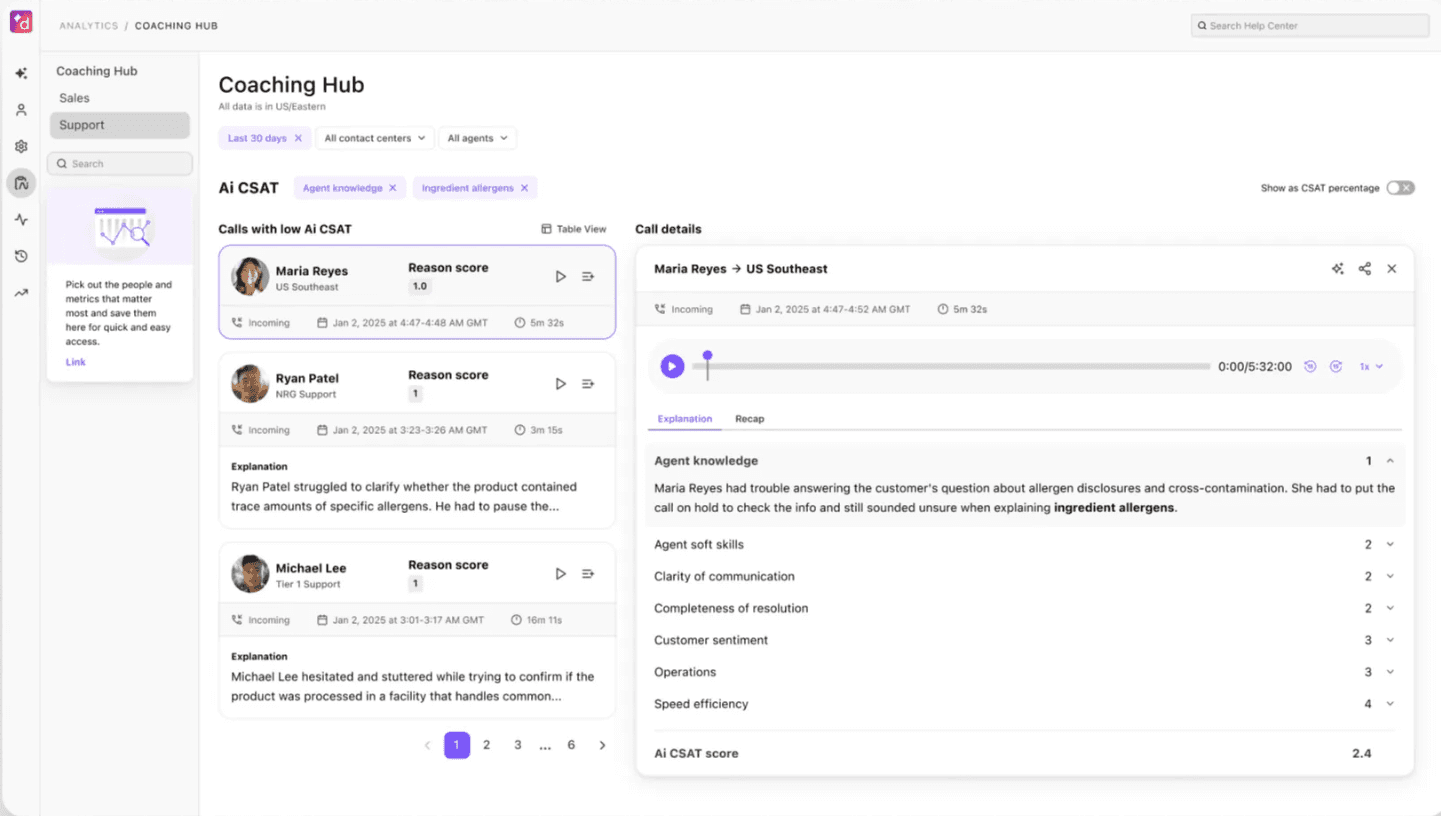
Dialpad includes real-time transcription and assist features that support coaching during live calls.
Key features of Dialpad
Real-time assist cards
Live transcription and sentiment analysis
Coaching tools and call analytics
Post-call summaries and action items
Playbooks and scorecards (where enabled)
Call libraries
How Dialpad helps train sales reps
Dialpad helps teams that want live call support and automated summaries, reducing manual work and giving reps guidance in the moment.
Best for: High-velocity teams needing real-time call guidance and QA support.
Customer review:
Choosing the best sales training software for your needs
There’s no single “best” sales training software for every team. The right choice depends on whether your biggest challenge is structured learning, skills practice, call coaching, or day-to-day execution.
If you need formal learning paths and certifications at scale, platforms like Seismic Learning, WorkRamp, or Highspot can be a fit.
If your coaching strategy is driven by call analysis, Gong or Dialpad can add visibility into rep behaviors.
If your team needs repetition for live conversation skills, role-play tools like Hyperbound can help.
But if your priority is consistent execution in the flow of work, Spekit is built for that outcome.
Spekit turns knowledge, context, and coaching into real-time intelligent actions, so reps move faster with clarity in the moments that matter. Training stops being a separate destination and becomes part of everyday selling.
To see what that looks like in your workflows, book a Spekit demo.
FAQs
What is sales training software?
Sales training software helps sales teams learn, practice, and reinforce selling skills. It often includes content libraries, learning modules, practice tools, assessments, and analytics designed to improve knowledge retention and performance over time.
How is sales training software different from sales coaching software?
Sales training software delivers structured learning and reinforcement at scale. Sales coaching software focuses on individualized improvement through feedback, performance insights, and targeted guidance. Many modern platforms combine both.
Which sales training tools are best for onboarding new reps?
Tools like Spekit, Seismic Learning, WorkRamp, and Trainual can support onboarding. The best option depends on whether you want onboarding to live in a course-based hub or be reinforced directly in the workflow.
Can AI really improve sales training?
Yes, especially when AI is used to identify gaps and reinforce the right guidance at the right time. AI can support call-based coaching, practice feedback, and in-workflow reinforcement that improves retention and consistency.
What’s the best sales training software for my team?
If you need structured courses, consider Seismic Learning or WorkRamp. If you want call-based coaching insights, Gong or Dialpad can help. If you want training that drives consistent execution in the flow of work, Spekit is designed for that.
Learn more
Discover more from the latest posts.